Understanding the Importance of Underground Utility Surveys in London
Underground utility surveys are integral to the construction and maintenance of urban infrastructures, particularly in a bustling metropolis like London. As the city expands and develops, the need for accurate data regarding the location and nature of buried utilities has never been more critical. An underground utility survey helps identify various underground services, including gas pipes, water mains, electrical cables, and telecommunication lines. Such surveys not only facilitate safe construction practices but also assist in preventing potential hazards, such as accidental strikes during excavation.
When exploring options, Underground Utility Survey London provides comprehensive insights into best practices.
What is an Underground Utility Survey?
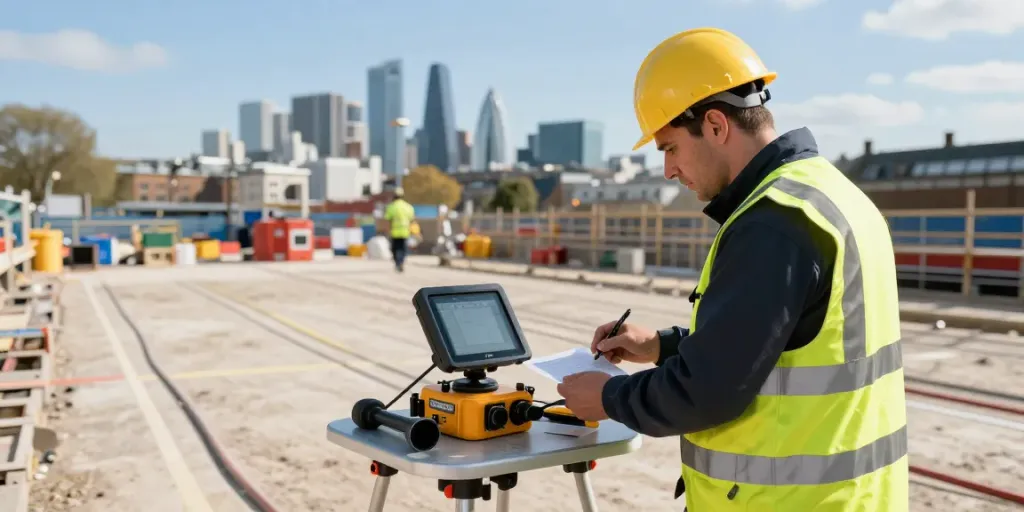
An underground utility survey employs advanced techniques to locate, identify, and map the utilities buried beneath the surface. These surveys are conducted using several methods, the most common being Ground Penetrating Radar (GPR) and electromagnetic locating. The objective is to create a detailed representation of the subsurface environment, enabling construction firms and engineers to make informed decisions when planning their projects.
Key Benefits for Construction Projects
- Risk Mitigation: By accurately mapping utilities, these surveys greatly reduce the risk of damaging underground services, which can lead to costly project delays and potential safety hazards.
- Regulatory Compliance: Many construction projects require adherence to local standards and regulations concerning utility management. An underground survey ensures compliance with these requirements.
- Cost Savings: Understanding the layout of utilities can help avoid unexpected costs associated with re-routing services or repairing damage caused by accidental strikes.
- Improved Planning: Accurate utility mappings enhance project planning by providing crucial information on service routes, allowing for better positioning of new installations or renovations.
Regulations and Compliance Standards in 2026
The year 2026 will bring new regulations aimed at improving safety and efficiency in construction practices. Compliance with these evolving standards is essential for all stakeholders in the construction industry. Utility providers and surveyors must adapt to these changes to meet legal requirements, ensuring that projects progress without legal hindrances. Familiarity with the new PAS128 standards and other relevant regulations will be crucial for all parties involved in underground utility surveying.
Advanced Techniques for Conducting Utility Surveys
Ground Penetrating Radar (GPR) Explained
Ground Penetrating Radar (GPR) is a highly effective method for locating underground utilities. It uses radar pulses to image the subsurface, detecting changes in material density that indicate the presence of buried infrastructure. GPR is particularly beneficial in urban environments, as it can provide detailed images of the underground layout without the need for invasive digging.
Electromagnetic Locating Methods
Electromagnetic locating is another prevalent technique used in underground utility surveys. This method involves sending an electromagnetic signal through utilities and measuring the response. It is especially effective for locating metallic pipes and cables. These signals can penetrate various ground conditions, making electromagnetic locating a versatile option for utility surveyors.
Benefits of 3D Utility Mapping
The advent of 3D mapping technologies has revolutionised the way utility surveys are conducted. 3D utility mapping provides a comprehensive view of underground utilities, showcasing their relationships and depths in a visually interpretable format. This technology enhances collaboration among project stakeholders, ensuring that everyone involved has access to the same critical data.
Challenges in Underground Utility Surveying
Common Obstacles in Urban Settings
Urban environments pose unique challenges for underground utility surveying. High population density, existing infrastructure, and complex service networks can complicate the surveying process. Utility surveyors must be adept at navigating these challenges, often employing multiple methods to triangulate the exact locations of utilities.
Dealing with Inaccurate Data
Inaccurate or outdated utility maps can lead to project delays and increased costs. Surveyors must verify existing data and use their expertise to fill gaps in information. This often involves cross-referencing various data sources and conducting additional surveys to ensure accuracy.
Addressing Stakeholder Concerns
Stakeholder concerns regarding safety and project timelines can arise during the surveying process. Clear communication and transparency about the methods being employed can help alleviate these concerns. Surveyors should be prepared to explain their findings and the implications for construction projects to all stakeholders involved.
Best Practices for Effective Surveying
Planning and Preparation Steps
Effective underground utility surveying begins with meticulous planning. Before a survey is initiated, it is essential to review existing utility records, understand site-specific challenges, and define survey objectives. By preparing thoroughly, surveyors can optimise their approach and ensure all potential issues are accounted for.
Ensuring Safety and Accuracy
Safety is paramount during utility surveying activities. Surveyors must adhere to industry safety standards and protocols to mitigate risks. Additionally, employing a combination of surveying methods can enhance accuracy, providing a comprehensive understanding of the subsurface environment.
Utilising Technology to Enhance Efficiency
The integration of modern technology, such as digital survey tools and data management software, can significantly improve the efficiency of utility surveys. These technologies not only streamline data collection but also facilitate real-time analysis and reporting, allowing for rapid decision-making.
Future Trends in Underground Utility Surveying
Predicted Developments by 2026
Looking ahead to 2026, several trends are set to shape the landscape of underground utility surveying. Increased adoption of automation and artificial intelligence in data collection and analysis will enhance survey accuracy and efficiency. Additionally, advancements in non-destructive testing methods will further prevent damage to existing utilities while gathering critical data.
Impact of Technology on Surveying Practices
The continued evolution of technology will fundamentally alter surveying practices. Innovations such as drone technology and augmented reality applications will provide new perspectives on underground utilities, allowing surveyors to visualise and interact with subsurface data like never before.
Emerging Compliance Requirements and Standards
As surveying practices advance, compliance requirements will also evolve. Regulators will likely introduce new standards aimed at ensuring safety and environmental protection. Surveyors must stay informed about these changes to maintain compliance and high-quality standards in their work.
How to Check for Underground Utilities in the UK?
In the UK, several methods are available for checking the presence of underground utilities. Consulting local utility companies, reviewing existing maps, and hiring professional surveyors are effective ways to obtain accurate information about buried services. Utility surveys conducted by certified professionals are often the most reliable method to ensure comprehensive data.
How Much Does a Home Survey Typically Cost in London?
The cost of an underground utility survey in London can vary significantly based on various factors, including the size of the area to be surveyed, the complexity of the site, and the technology employed. On average, homeowners can expect to invest anywhere from £300 to £1,500 for a professional utility survey. It is advisable to obtain quotes from multiple surveyors to get the best value.
What are the Best Survey Companies in the UK?
Several reputable survey companies are known for their expertise in underground utility surveying in the UK. Researching and comparing services based on client reviews, expertise, and compliance with industry standards will help you choose a reliable surveyor for your project.