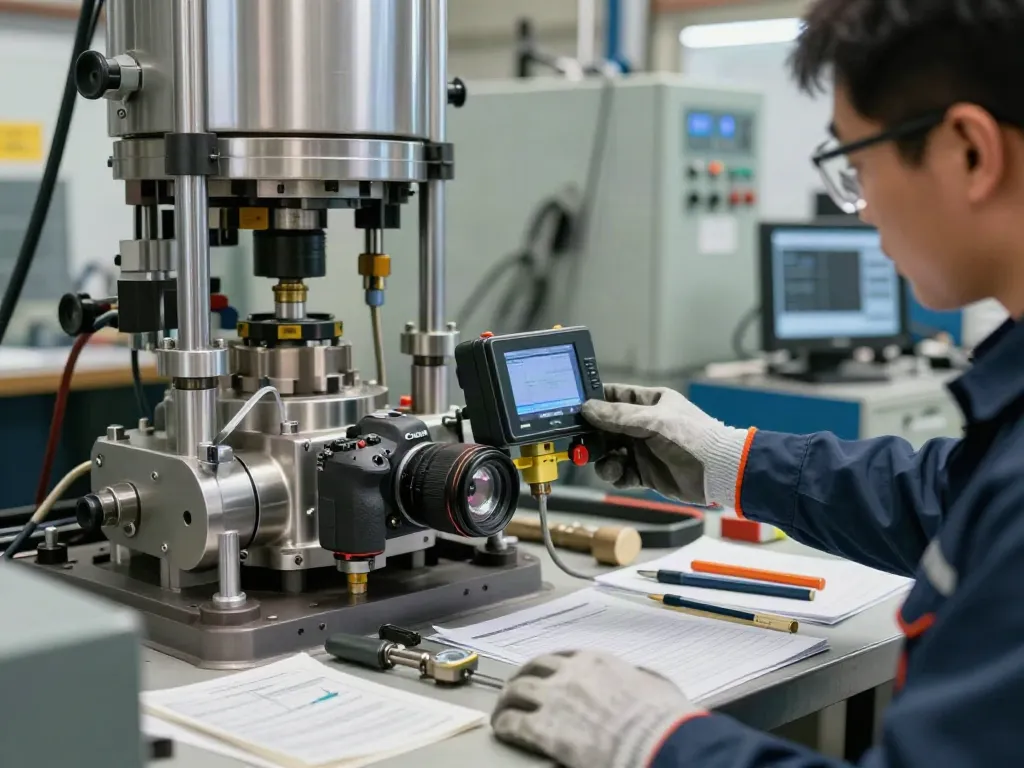
Understanding Mechanical Pressure Switches
Mechanical pressure switches play a crucial role in various industrial applications, serving as essential components in systems that require precise pressure control. These devices operate by activating or deactivating electrical circuits based on pressure changes, providing reliable monitoring and control in demanding environments. As industries evolve, the demand for high-performing, durable pressure switches becomes increasingly important. Whether used in HVAC systems, hydraulic applications, or machinery control, understanding the intricacies of mechanical pressure switches is vital for ensuring operational efficiency and safety. When exploring options, pressure switch manufacturer Lefoo offers a comprehensive lineup that meets various industrial needs.
What is a Mechanical Pressure Switch?
A mechanical pressure switch is an electromechanical device designed to monitor pressure levels within systems, providing an electrical output based on specific pressure thresholds. Unlike electronic pressure switches, which utilize sensors and software for operation, mechanical switches rely on physical components such as springs and diaphragms. This traditional design allows for high reliability and simplicity, making them ideal for environments where electronic components may fail due to harsh conditions.
Key Features and Benefits of Mechanical Pressure Switches
Mechanical pressure switches come equipped with several key features that enhance their functionality across various applications:
- Durable Construction: Made with robust materials, such as stainless steel, these switches can withstand challenging environments, including exposure to moisture, dust, and corrosive substances.
- Accurate Set Points: They provide reliable, repeatable set point accuracy, ensuring consistent control over time.
- Simple Installation: With straightforward drop-in designs, mechanical pressure switches can be installed with minimal disruptions to existing systems.
- Low Total Ownership Cost: The durability and efficiency of mechanical switches contribute to a lower overall cost when compared to more complex electronic alternatives.
- Fail-safe Operation: Many models come with built-in safety features that ensure continued operation in hazardous areas.
Applications Across Industries
Mechanical pressure switches serve diverse industries, including:
- HVAC Systems: They monitor and control the pressure within heating, ventilation, and air conditioning systems, ensuring optimal performance and energy efficiency.
- Hydraulics: Used in hydraulic machinery to control fluid pressure, ensuring safe operation and maintaining system integrity.
- Compressors: They regulate pressure in air and gas compressors, preventing over-pressurization and protecting equipment.
- Industrial Machinery: Essential for machinery that requires precise pressure control, mechanical switches enhance reliability in manufacturing processes.
Choosing the Right Pressure Switch Manufacturer
Criteria for Selecting a Reliable Manufacturer
When looking for a pressure switch manufacturer, it is essential to consider several key criteria to ensure that you choose a reliable partner:
- Reputation: Look for manufacturers with a solid reputation in the industry, reflected in customer testimonials and reviews.
- Certifications: Ensure the manufacturer meets relevant industry standards and certifications, which can be an indicator of quality and reliability.
- Product Range: A wide selection of models can cater to different applications and needs, giving you more options for your specific requirements.
- Support and Service: Consider companies that provide excellent customer service and technical support, which can be invaluable during installation and maintenance.
Top Pressure Switch Manufacturers to Consider in 2026
As the market for mechanical pressure switches evolves, several manufacturers stand out for their quality and innovation. Brands like Lefoo, Danfoss, and Ashcroft offer a range of robust and reliable products suited for various industrial applications. Each of these manufacturers is known for its commitment to quality, ensuring that their mechanical pressure switches perform well under demanding conditions.
Evaluating Manufacturer Certifications and Standards
Quality assurance is paramount when selecting a pressure switch manufacturer. It's essential to evaluate the certifications that a manufacturer holds, such as ISO 9001:2015, which reflects a commitment to maintaining high-quality standards throughout the manufacturing process. Additionally, certifications relevant to specific industries, such as ATEX or UL, indicate that the products are designed for safety and reliability in hazardous environments.
Installation and Calibration Best Practices
Step-by-Step Installation Guide for Mechanical Pressure Switches
Proper installation of mechanical pressure switches is critical for optimal performance. Here’s a step-by-step guide to ensure a successful installation:
- Select the Appropriate Location: Choose a location that is free from vibrations and moisture exposure, ensuring easy access for maintenance.
- Prepare the Mounting Surface: Ensure the mounting surface is clean and free from debris to achieve a secure fit.
- Connect the Pressure Lines: Use high-quality fittings to connect the pressure switch to the system; ensure that all connections are tight to prevent leaks.
- Wiring: Carefully follow the manufacturer's wiring diagram to connect the electrical terminals. Properly secure all electrical connections.
- Test the Installation: After installation, test the switch by applying pressure and verifying that the switch activates and deactivates as intended.
Calibration Techniques for Optimal Performance
Calibration of mechanical pressure switches should be performed regularly to ensure accuracy and reliability. The following techniques can help:
- External Adjustment Screws: Most models feature external adjustment screws that allow for field calibration without specialized tools.
- Visual Scale: Utilize the clear visual scale provided on the switch for intuitive adjustments to the set point.
- Testing with Pressure Gauges: Cross-reference readings with calibrated pressure gauges to confirm accuracy.
Common Installation Mistakes to Avoid
When installing mechanical pressure switches, be mindful of the following common mistakes:
- Neglecting to check for leaks at pressure connections, which can lead to inaccurate readings and system failures.
- Failing to calibrate the switch after installation, resulting in inadequate system control.
- Installing in locations with excessive vibrations, which can affect the switch's operation.
Future Trends in Pressure Switch Technology
Emerging Innovations in Mechanical Pressure Switch Design
The mechanical pressure switch industry is witnessing innovations aimed at improving efficiency, durability, and ease of use. Developments in materials science are leading to the creation of more resilient components that enhance performance in extreme conditions. Additionally, integrating IoT capabilities into mechanical pressure switches is on the rise, allowing for remote monitoring and control, further optimizing industrial processes.
Sustainability and Environmental Impact Considerations
As industries look to reduce their environmental footprint, manufacturers are developing mechanical pressure switches that are more energy-efficient and made from sustainable materials. This focus on sustainability not only helps companies comply with regulatory requirements but also improves their overall market competitiveness.
Predicting Market Trends for Pressure Switches by 2026
By 2026, the mechanical pressure switch market is expected to see a significant shift towards automation and smart technology integration. As industries demand more advanced and reliable pressure control solutions, manufacturers will likely prioritize creating products that not only meet current standards but also innovate to address future challenges in industrial automation.
FAQs About Mechanical Pressure Switches
How do mechanical pressure switches differ from electronic ones?
Mechanical pressure switches operate through physical components that react to pressure changes, while electronic switches utilize sensors and software to measure and respond to pressure. Mechanical switches are often more reliable in extreme conditions but may lack the advanced features of electronic counterparts.
What industries predominantly use mechanical pressure switches?
Mechanical pressure switches are widely used across various industries, including HVAC, hydraulic systems, water treatment, and manufacturing, where precise pressure control is crucial.
Can pressure switches be calibrated without specialized tools?
Yes, many mechanical pressure switches are designed for easy calibration without specialized tools, using external adjustment screws and visual scales for precise settings.
What maintenance is necessary for mechanical pressure switches?
Routine checks should be conducted to ensure the switches are accurately calibrated and that there are no leaks in the system. Regular cleaning and inspection of the pressure connections will help maintain performance.
Are there safety certifications for pressure switches used in hazardous areas?
Yes, mechanical pressure switches intended for use in hazardous environments often come with safety certifications such as ATEX or UL approval, ensuring they meet strict safety requirements.