
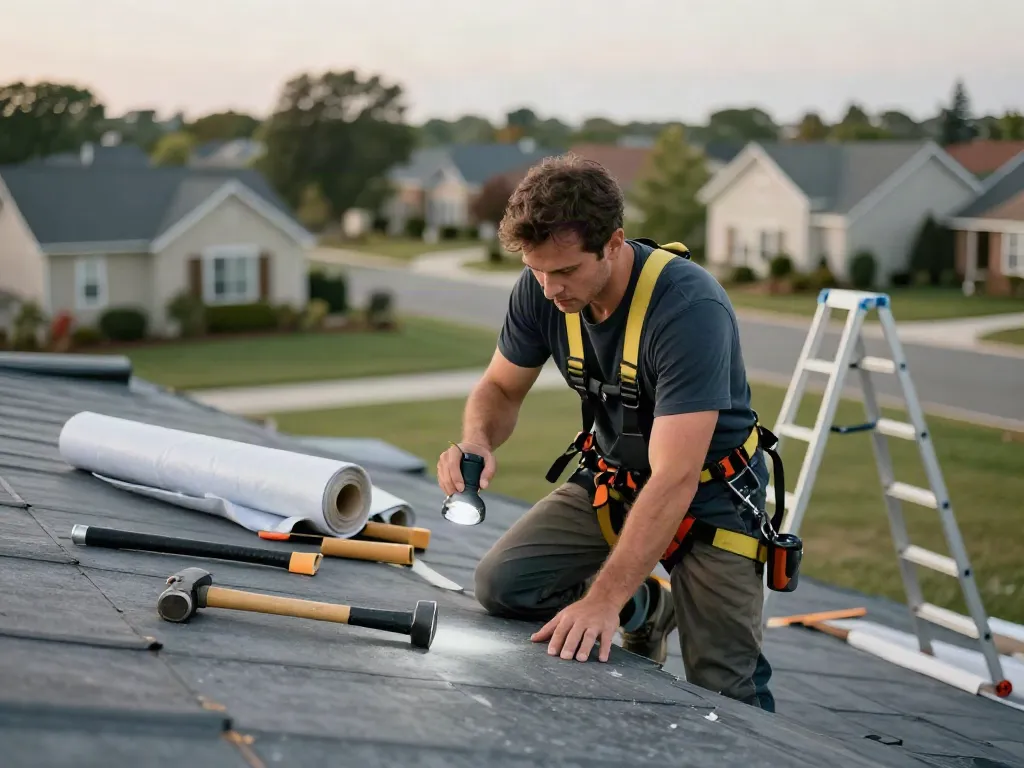
Understanding Felt Roofing Basics
Felt roofing is a popular choice for many homeowners and commercial property owners, particularly when it comes to flat roofs. Its cost-effectiveness and versatility make it an appealing option for various roofing applications. As a protective covering, felt roofing is designed to provide reliable waterproofing and insulation, ensuring the longevity and integrity of the underlying structure. When exploring options, felt roofing provides comprehensive insights that can help you make informed decisions about your roofing needs.
What is Felt Roofing?
Felt roofing typically consists of layers of felt material, which is installed over a flat or low-pitched roof structure. The installation involves applying multiple layers of roofing felt, often made from bitumen or fiberglass, which are then secured in place using adhesives or mechanical fasteners. The result is a durable and waterproof barrier that protects the building from external elements such as rain, snow, and UV exposure.
Benefits of Using Felt Roofing
- Cost-Effectiveness: Felt roofing is generally less expensive than alternative roofing materials, making it a budget-friendly option for many property owners.
- Quick Installation: The installation process for felt roofing is relatively straightforward and can often be completed in a shorter time frame compared to other types of roofing.
- Durability: Modern felt roofing systems are designed to withstand harsh weather conditions, providing long-lasting protection when properly installed and maintained.
- Versatility: Felt roofing can be used for various applications, including residential homes, garages, and commercial buildings.
Common Uses and Applications
Felt roofing is widely used in various applications, including:
- Flat Roofs: It is commonly used for flat roofs on residential and commercial buildings.
- Garages and Outbuildings: Felt roofing is an ideal choice for garage roofs and other outbuildings due to its durability and protective qualities.
- Extension Roofs: Many homeowners choose felt roofing for home extensions, especially when building onto an existing structure.
- Garden Sheds and Workshops: Felt roofing is a favored choice for garden sheds and workshops, providing effective weather protection.
Choosing the Right Felt Roofing Materials
When selecting felt roofing materials, it’s essential to consider the specific needs of your property and the conditions it will face over time. Different materials offer unique benefits and features, so understanding these can significantly influence your decision.
Types of Felt Roofing Systems
There are primarily two types of felt roofing systems available today:
- Bitumen Felt: This traditional material consists of a base sheet and multiple layers of bitumen felt. It is known for its durability and excellent waterproofing capabilities.
- Fiberglass Felt: More modern in design, fiberglass felt roofing is lightweight, resistant to rot, and offers better thermal performance compared to traditional bitumen felt.
Comparing Materials: Bitumen vs. Fiberglass
Both bitumen and fiberglass materials have their advantages:
- Bitumen: Known for its strength and ability to withstand severe weather, bitumen is often more affordable but may require more maintenance as it ages.
- Fiberglass: This option is lighter and often comes with a longer lifespan. However, its initial cost may be higher than bitumen alternatives, but it can save money in long-term maintenance.
Factors Influencing Material Selection
When choosing between different felt roofing systems, consider the following:
- Climate and Weather Conditions: Will the area experience heavy rainfall, high winds, or extreme temperatures?
- Budget: What is your budget for initial installation and future maintenance?
- Longevity: How long do you expect your roofing system to last before needing replacement?
- Insulation Needs: Do you require additional insulation for energy efficiency?
Finding Trusted Felt Roofing Specialists
Locating a reputable felt roofing specialist is crucial for ensuring quality installation and maintenance. Start by seeking recommendations from friends, family, or neighbors who have recently had roofing work done.
How to Locate Local Experts
To find trusted local roofers, you can:
- Search online directories and reviews to find qualified contractors in your area.
- Check local building supply stores for recommendations on reputable roofers.
- Utilize online platforms that connect homeowners with local roofing specialists.
Verifying Credentials and Experience
Before hiring a roofer, ensure they have the necessary licenses and insurance. Ask for references and check online reviews to gauge their previous work quality. A good contractor should also be willing to provide a portfolio of past projects.
Questions to Ask Your Roofer
When interviewing potential roofing contractors, consider asking:
- What is your experience with felt roofing installations?
- Can you provide written estimates and timelines for the project?
- What materials do you recommend and why?
- Will you handle all necessary permits and inspections?
What to Expect During Installation
Understanding the installation process helps set realistic expectations for homeowners. A well-executed installation ensures the longevity of the roof.
Preparation Steps for Installation
Prior to installation, the roofing contractor will likely conduct an inspection, remove any existing roofing materials, and prepare the surface for new felt roofing.
Installation Process Breakdown
The installation of felt roofing typically involves several key steps:
- Cleaning the roof surface and removing debris.
- Applying a base layer of felt material secured with adhesive or nails.
- Adding successive layers of felt, ensuring proper overlap for waterproofing.
- Finishing with a protective layer, often mineral-based, to resist UV rays.
Post-Installation Care and Maintenance
After installation, it’s vital to conduct regular inspections and maintenance. This includes checking for any signs of wear or damage, ensuring drains and gutters are clear, and addressing minor issues before they escalate into costly repairs.
Future Trends in Felt Roofing
As with many industries, roofing is evolving. Innovations and trends are shaping the future of felt roofing systems.
Innovations in Felt Roofing Technologies
Emerging technologies and materials are making felt roofing more efficient and sustainable. For example, advancements in insulation materials can significantly enhance energy efficiency.
Environmental Considerations in Roofing
Many manufacturers are now producing eco-friendly felt roofing materials, focusing on sustainability and reducing environmental impact.
The Future of Roofing in 2026 and Beyond
As awareness of sustainable building practices grows, the felt roofing industry is likely to see increased demand for environmentally-friendly products and solutions.
How to Prepare for Upcoming Changes?
To stay ahead of the trends, homeowners should consider investing in high-quality materials and working with roofers who are knowledgeable about the latest technologies and sustainability practices.